U.S. Battery Storage Capacity Set to Surge Toward 66 GW by End of 2026 Despite Near-Term Growth Moderation
1/10/20261 min read
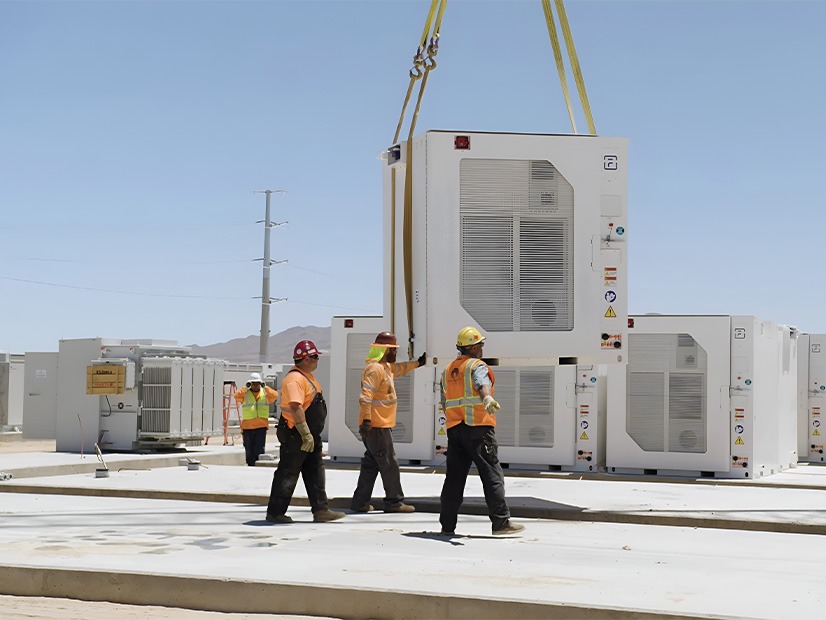
Battery storage is surging across the U.S. grid, rapidly becoming indispensable for integrating renewables, stabilizing frequency, and meeting the explosive power demand from data centers.
Recent deployments show batteries paired with solar farms capturing midday excess generation and releasing it during evening peaks—effectively flattening the duck curve and reducing curtailment. The U.S. Energy Information Administration (EIA) forecasts utility-scale battery energy storage capacity rising from ~45.6 GW at end-2025 to approximately 65.6 GW by the close of 2026, implying roughly 20 GW of new additions [1].
Industry analysts, however, project a more moderate pace for 2026. Wood Mackenzie and the American Clean Power Association anticipate an 11% year-over-year contraction in utility-scale installations as the sector adjusts to domestic content rules, tariffs, and supply-chain realignments following the exceptional 2025 boom [2][3].
Despite the near-term moderation, the fundamentals remain compelling: steadily declining battery costs, accelerating domestic manufacturing, and unrelenting demand for flexible grid resources continue to support robust long-term growth.
In summary, 2026 is likely to bring a temporary slowdown after the remarkable 2025 surge, yet battery storage remains firmly positioned as a cornerstone technology for resilient, low-carbon power systems in the years ahead.
[1] RTO Insider (Photo Credit) - Will Batteries Remain a Clean Energy Bright Spot in 2026? [2] Wood Mackenzie / American Clean Power Association - U.S. Energy Storage Monitor (Q3 2025) [3] Energy-Storage.News - US energy storage installations in 2025 have already surpassed last year's total: Wood Mac
Contact details:
Email: george@georgeralston.com
Phone:
+39 331 802 9277 (Italy) or
+1 281 932 6226 (USA)